You feather the joystick to nudge the platform up to a ceiling fixture, and instead of gliding into place, the deck lurches, overshoots, then jerks back as you overcorrect. Forty feet up, that rough motion isn’t just annoying; it rattles your nerves, spills your tools, and slows every task you’re up there to finish. Now picture the opposite: a lift that eases into motion, creeps the last inch precisely, and holds rock-steady while you work. The difference between those two experiences isn’t the operator. It’s the control system quietly managing every movement between the joystick and the deck.
Scissor lift control systems determine how smooth, safe, and precise work at height feels. Understanding how proportional and on/off controls influence platform movement helps operators choose the right system for different applications. Hydraulic and electric drive systems each affect responsiveness in different ways, while tilt and overload sensors play a critical role in maintaining safe operation. Features that prevent platform creep improve positioning accuracy, and regular maintenance keeps the controls responsive over time. Knowing how these components work together makes it easier to evaluate control performance and keep this lifting machine operating safely, smoothly, and accurately.
How the Control System Shapes Every Movement
The way a lift responds starts with its control system, not just its height or capacity. The control system is the link between your hand on the joystick and the hydraulics or motors that move the platform. When that connection is refined, movement feels smooth and predictable. When it is poorly designed, every adjustment becomes harder and less precise.
A responsive control system gives operators better positioning accuracy, especially when working around obstacles or placing materials at height. Smooth acceleration, precise stopping, and easy adjustments reduce operator fatigue while improving safety and productivity throughout the job.
From Joystick to Platform
Every command you give travels through the control system before anything moves. You push a lever, and the system decides how much oil flows to a cylinder or how much current reaches a drive motor. That translation determines whether the platform eases into motion or slams into it.
A well-designed system smooths the start and stop of every movement, ramping speed up and down instead of switching it on and off. That ramping is what keeps the deck steady, protects the mechanism from shock, and lets you place the platform exactly where the job needs it.
Takeaway: The control system turns your input into motion, and how gracefully it does that decides whether working at height feels controlled or chaotic.
Why Smoothness Matters at Height
Rough movement is more than a comfort issue. The higher you go, the more a jerky start sways the platform, and that sway climbs with every foot of elevation. A control system that eliminates sudden motion keeps the deck stable exactly when stability matters most.
Smooth control also protects the machine. Abrupt starts and stops hammer the hydraulics, wear the mechanism, and shorten component life. A system that moves the platform gently spreads loads evenly, so both the operator and the equipment last longer on the job.
Hydraulic vs. Electric Drive Systems
The drive system moving the platform and wheels also shapes how the lift feels. Hydraulic and electric systems each deliver motion differently, and the control system tuned to each one determines how smoothly that power reaches the deck. Knowing the difference helps you read a machine’s behavior.
Hydraulic systems are known for strong power delivery, while electric systems often provide quieter operation and precise movement control. The way these systems respond depends on their design, settings, and maintenance. Understanding their differences helps operators choose a lift that matches the working environment and performance needs.
Hydraulic Drive and Its Control
Hydraulic systems use pressurized fluid to raise the platform and, on many machines, to drive the wheels. The control system measures how much oil flows and how fast, and modern valves can ramp that flow smoothly for gentle starts and stops. Hydraulics deliver strong lifting force, which suits higher-capacity machines.
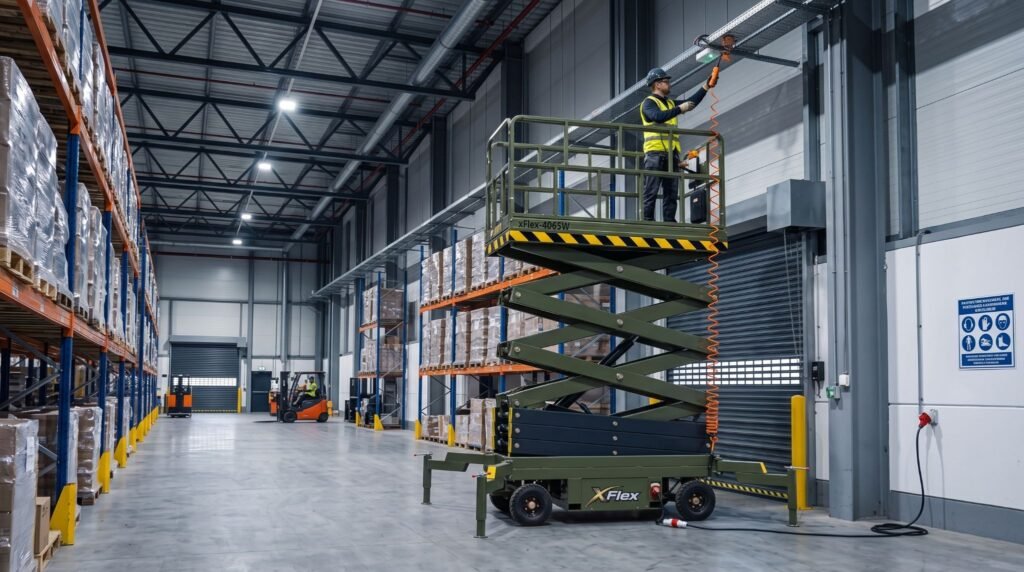
The smoothness of a hydraulic lift depends heavily on valve quality and fluid condition. Well-designed proportional valves and clean, properly filled hydraulic oil produce fluid, controlled motion. Worn valves or contaminated fluid, by contrast, cause the jerky, unpredictable movement that makes a machine tiring to operate.
Electric Drive and Its Control
Electric drive systems power the wheels and often the lifting function with electric motors, controlled electronically for precise speed regulation. Because electronics can finely modulate motor output, electric lifts often deliver exceptionally smooth, quiet motion, especially valuable indoors where emissions and noise matter.
Electric machines also lend themselves naturally to proportional control, since the electronics governing the motors can vary speed seamlessly. For indoor work on finished floors, where clean, quiet, precise movement is the priority, an electric drive with refined controls is often the smoother choice.
Takeaway: Hydraulic drives bring strong lifting force with smoothness that depends on valve and fluid health, while electric drives deliver quiet, finely controlled motion well suited to indoor precision work.
Preventing Platform Creep and Drift
Few things unsettle an operator like a platform that slowly sinks or drifts when it should hold still. This “creep” undermines precision and confidence, and a good control system is built to stop it. Understanding what causes creep helps you recognize when a machine needs attention.
Platform creep is often caused by hydraulic leaks, worn valves, or control system issues that prevent the lift from holding its position properly. Regular inspections and timely maintenance help maintain stable movement, improve operator confidence, and prevent small problems from becoming major safety concerns.
What Causes Platform Creep
Platform creep is the slow, unwanted descent or movement of a raised deck when no command is given. In hydraulic systems, it usually traces to oil leaking internally past a worn cylinder seal or a faulty holding valve, letting the platform settle under its own weight. It’s both an annoyance and a warning sign.
A healthy control system uses load-holding valves designed to lock fluid in place and keep the platform exactly where you set it. When those valves and seals work correctly, the deck stays put no matter how long you hold position, which is essential for steady, precise work.
Keeping the Platform Locked in Place
Preventing creep comes down to maintaining the components that hold position. Worn seals and failing holding valves should be addressed promptly, since a small internal leak only worsens and steadily erodes your ability to hold a precise height. Catching it early keeps the platform reliable.
Electric lifting systems avoid hydraulic creep by design, holding position mechanically or electronically without fluid that can leak past a seal. Whichever system you run, a platform that holds dead-still is the foundation of confident work, so treat any drift as a signal worth investigating right away.
Takeaway: Platform creep usually points to worn hydraulic seals or holding valves, so keeping those components healthy is what lets the deck hold a precise, steady position.
Operator Comfort and Precision at Height
All of these systems ultimately serve one goal: letting the operator work comfortably and precisely far above the ground. Control quality shapes not just safety but how tiring and how accurate a full shift of elevated work feels. That human factor is where good controls prove their worth.
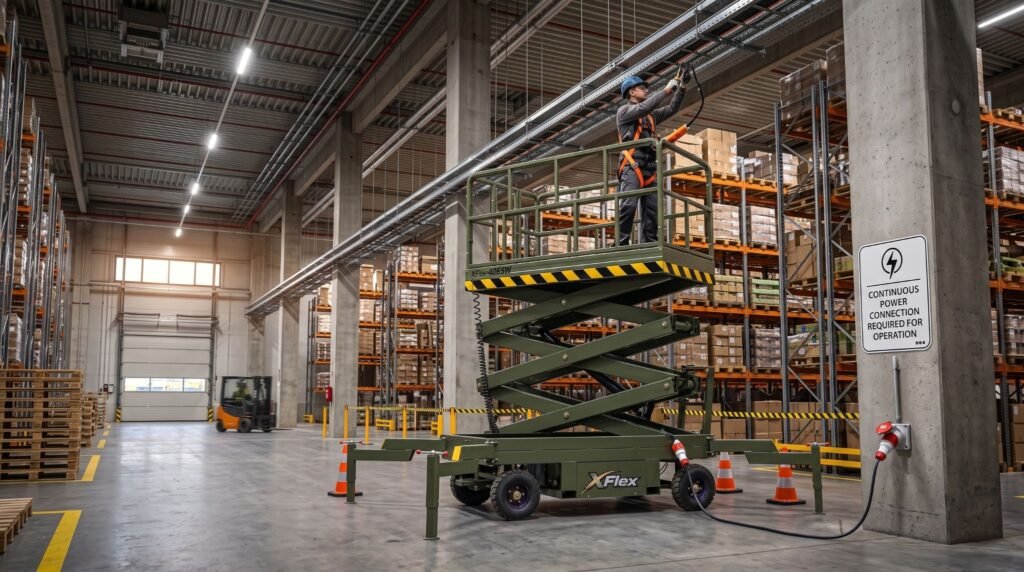
A well-designed control system reduces unnecessary effort by making every movement more predictable and easier to manage. When operators can position the platform smoothly and confidently, they complete tasks faster, reduce fatigue, and maintain better focus throughout the day.
Reducing Fatigue Through Smooth Control
Rough, jerky movement wears an operator down. Every lurch demands a correction, every abrupt stop breaks concentration, and hours of that tension add up to real fatigue. Smooth, proportional control removes that constant fight, letting the operator guide the platform naturally instead of wrestling it.
Intuitive control layouts help too. Clearly marked functions, responsive joysticks, and predictable behavior mean the operator spends mental energy on the task, not on decoding the machine. A lift that responds the way you expect is a lift you can work on all day without strain.
Precision Where It Counts
At height, small positioning errors carry big consequences, so precise control directly improves work quality. Proportional movement lets an operator align a fixture, thread the platform between obstacles, or hold a steady position for detailed work with confidence. That accuracy turns difficult tasks into routine ones.
Precision also saves time. When you can place the platform exactly where you need it on the first try, you skip the repeated repositioning that rough controls force on you. Better control means fewer adjustments, faster completion, and a cleaner result every time you go up.
Takeaway: Smooth, intuitive controls cut operator fatigue and sharpen positioning accuracy, so the work goes faster, safer, and better at height.
Conclusion
Smooth scissor lift operation depends on how well the control system, drive components, and safety features work together. Proportional controls allow operators to make gradual adjustments instead of sudden movements, while hydraulic and electric drive systems provide the power needed for controlled platform positioning. Sensors, overload protection, and load-holding valves add another layer of control by helping maintain stability, prevent unwanted movement, and keep the platform operating within safe limits during elevated work.
Getting consistent performance from a scissor lift requires more than simply operating the controls. Operators should choose a lift configuration that matches the job, monitor response changes, inspect sensors, and maintain clean hydraulic systems and healthy seals to prevent rough or delayed movement. Regular checks before each use help identify issues like platform creep or control irregularities early, keeping the lift precise, reliable, and ready for demanding height applications.
Frequently Asked Questions
Can I upgrade a scissor lift from on/off controls to proportional controls?
Usually, it is not practical or cost-effective. Proportional controls require different valves, electronics, and control components that are typically built into the machine from the factory. If smoother control is important, choosing a lift with proportional controls is often the better option.
Why does my scissor lift move smoothly at low height but jerk when raised higher?
Jerky movement at higher elevations can come from low or contaminated hydraulic fluid, trapped air, worn valves, or increased sensitivity to movement at height. Check fluid condition first, and inspect the hydraulic system if the problem continues.
What causes rough movement or platform creep on a scissor lift?
Rough motion and platform creep often indicate hydraulic issues such as low fluid, worn seals, or failing valves. Regular fluid checks, filter changes, and timely inspections help keep the lift operating smoothly and prevent larger repairs.