A scissor lift is one of the most dependable tools for working at height, but like any piece of equipment, it runs into problems from time to time. The difference between a quick fix and a full day of lost productivity often comes down to knowing what to look for and how to respond. Most issues you will face are common, predictable, and well within your ability to diagnose before calling in a technician. When you understand the warning signs and the simple checks that catch them early, you keep your machine working safely and your schedule on track. This guide walks you through five of the most frequent scissor lift problems, explaining what causes them, how to inspect them, and the practical steps that bring your lift back to reliable operation. Use it as a troubleshooting reference your whole crew can trust.
Battery and Charging Issues
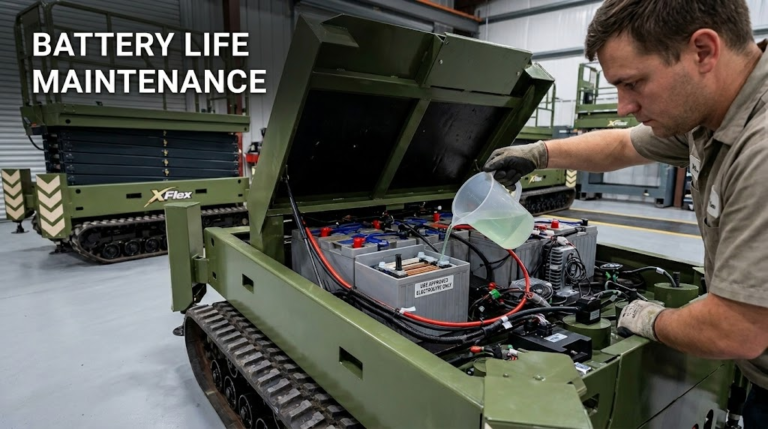
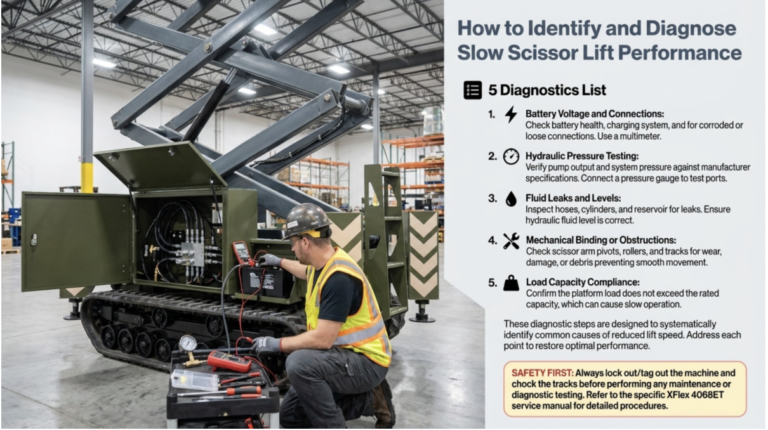
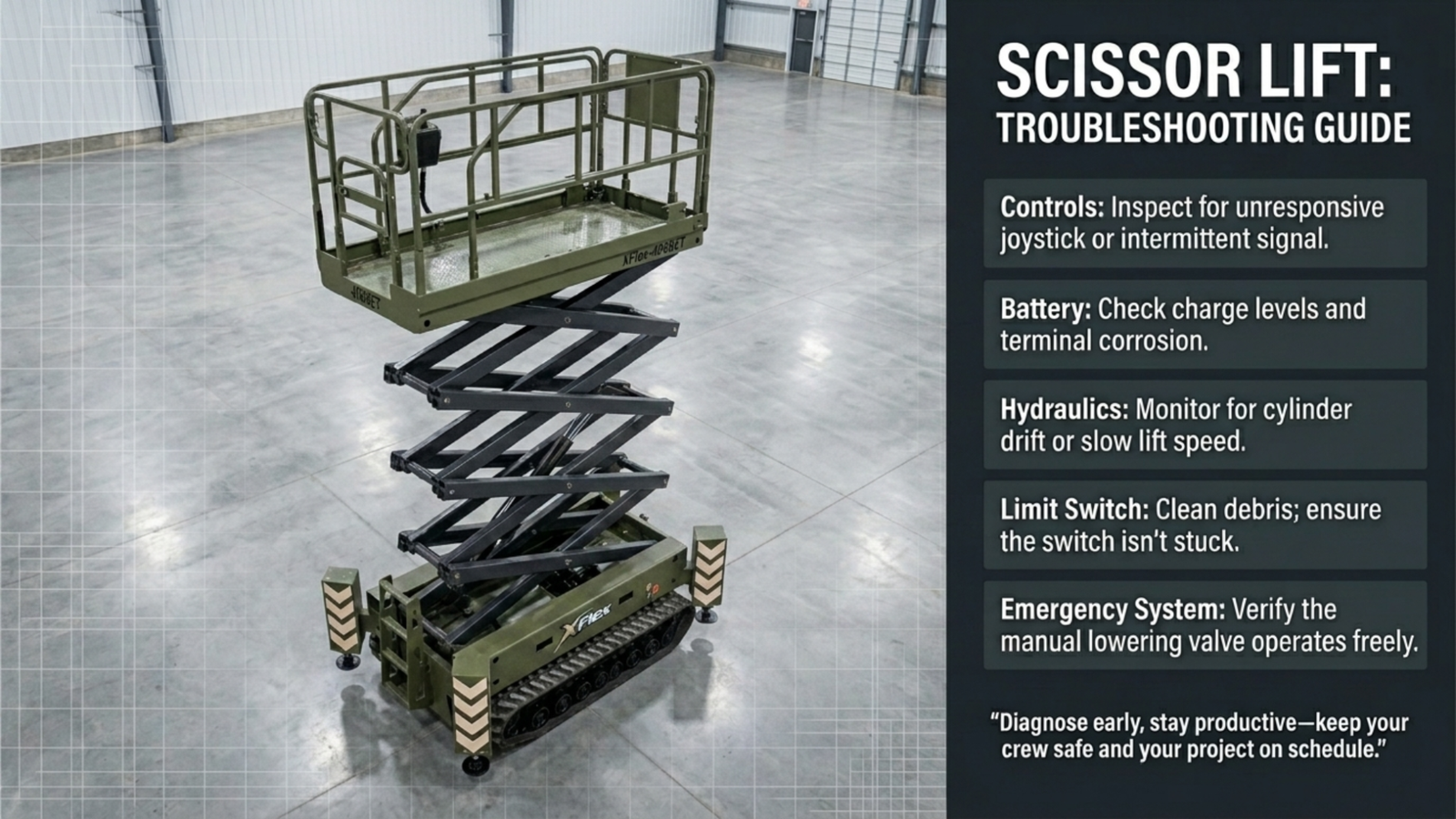
Battery trouble is one of the most common reasons an electric scissor lift refuses to start, moves slowly, or loses power partway through a shift. When the unit fails to operate or feels sluggish, the battery is the first place to look. Start by checking the charge levels, since a battery that has not been fully charged simply cannot deliver the power the machine needs to lift, drive, and hold position. Confirm the lift was charged completely after its last use, and watch for batteries that drain faster than they should, which often points to aging cells nearing the end of their service life.
Cable connections deserve just as much attention as the charge itself. Loose, dirty, or corroded terminals interrupt the flow of power and create resistance that leaves the lift underperforming even when the battery holds a good charge. Inspect every connection to make sure it is clean and tight. A few simple checks catch most battery and charging faults:
- Verify the charge level and confirm a full charge cycle was completed
- Clean corroded terminals with a wire brush to restore a solid connection
- Tighten loose cable clamps so power flows without resistance
- Test the charger to rule out a faulty unit that never fully charges the battery
A corroded terminal or a failing charger are frequent culprits, and both are easy to address once you spot them. Keep the battery topped off, the connections clean, and the charger in good working order, and you eliminate the most common cause of a dead or sluggish lift. Regular battery maintenance is one of the simplest ways to protect uptime and avoid frustrating delays in the middle of a job.
Hydraulic Fluid Leaks
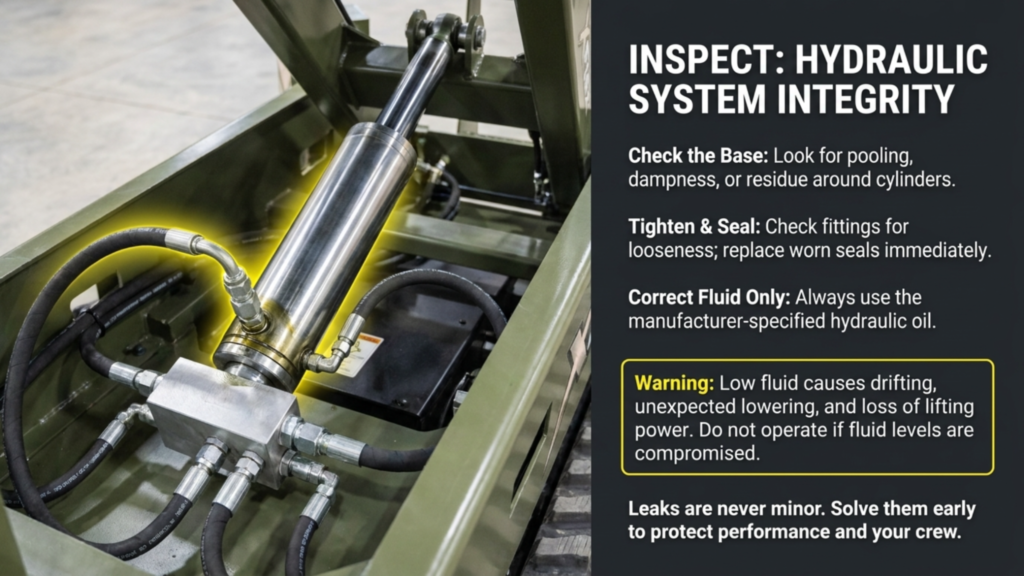
Hydraulic fluid leaks can quietly undermine your lift’s performance and create real safety risks if left unchecked. The hydraulic system is what raises and lowers the platform, and it depends on the right fluid at the right level to work correctly. Begin your inspection at the base of the lift and around the hydraulic cylinders, looking for any visible pooling, dampness, or oily residue. These signs often point to a worn seal or a loose hose connection that is letting fluid escape. Catching a leak early, while it is still small, prevents the gradual performance loss that comes as the system runs low on fluid.
When you find evidence of a leak, trace it back to its source before topping anything off. A loose fitting may only need tightening, while a worn or damaged seal calls for replacement to stop the problem at its root. Once the source is addressed, refill the system with the correct hydraulic fluid specified for your machine, since the wrong fluid can damage seals and reduce performance.
Left unattended, a hydraulic leak does more than slow the lift down. Low fluid levels can cause the platform to drift, lower unexpectedly, or lose lifting power, all of which threaten operator safety at height. A leak also makes a mess of the work area and signals that internal components may be wearing out. By inspecting the base and cylinders regularly, keeping the system topped off with the correct fluid, and tightening fittings the moment you notice looseness, you protect both performance and safety. Treat every leak as a problem worth solving immediately rather than a minor annoyance to ignore.
Emergency Lowering System Failures
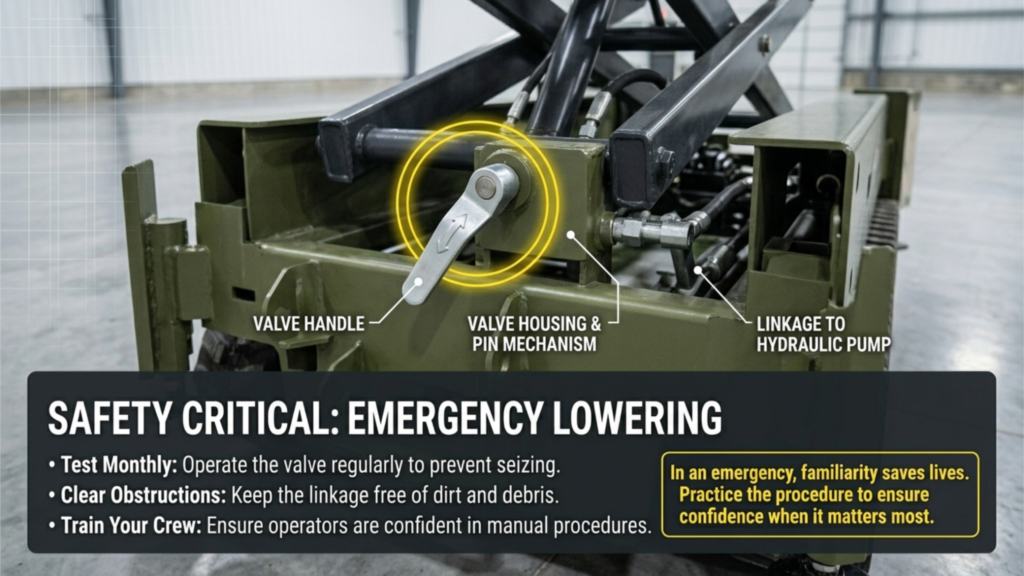
The emergency lowering system is a critical safety feature that brings the platform down by hand when normal power or hydraulics fail. Because operators rarely use it, this system is easy to forget, and that neglect is exactly what causes it to fail when you need it most. The manual emergency lowering valve can seize from lack of use or become clogged with dirt and debris over time. If the lift ever becomes stuck in an elevated position, a clean and functional manual release is the difference between a safe, controlled descent and an operator stranded at height waiting for help.
The fix here is prevention through regular testing. Make it a habit to operate the manual emergency lowering valve periodically, even when nothing is wrong, to confirm it moves freely and brings the platform down smoothly. This simple check keeps the valve from seizing and reveals any buildup before it becomes a problem. While you are at it, clean away any dirt or debris around the valve and its linkage so nothing obstructs its operation.
Testing the system on a schedule also keeps your operators familiar with how it works, which matters enormously in a genuine emergency. A crew that has practiced the manual lowering procedure will act quickly and confidently, while one that has never touched the valve may struggle at the worst possible moment. Build this test into your routine maintenance and pre-use inspections so it never gets overlooked. A functional emergency lowering system costs you nothing but a few minutes of attention, yet it provides essential protection that keeps your team safe whenever the lift’s primary systems let you down.
Electrical and Controller Faults
Electrical and controller problems often show up as unresponsive controls or a lift that jerks and stutters during operation. These symptoms can feel alarming, but many trace back to simple, fixable causes. When the controls stop responding or the machine moves erratically, start by inspecting the joystick cables and the electrical harness. Look closely for fraying, exposed wires, or loose connections that interrupt the signals between the controls and the machine. Cables take a beating on busy job sites, and a damaged or disconnected wire is a frequent source of intermittent power and control issues.
Before assuming the worst, run through a few quick resets that often clear the problem entirely. Many electrical faults come down to a tripped safety device rather than a genuine failure, and these are easy to check:
- Reset the emergency stop button, since an engaged e-stop locks out all functions
- Check for a tripped circuit breaker and reset it if needed
- Inspect joystick cables for fraying, pinching, or loose plugs
- Examine the electrical harness for corrosion or disconnected terminals
Working through these steps resolves a surprising number of intermittent power problems in just a few minutes. If resetting the emergency stop or the circuit breaker brings the lift back to life, you have likely found your answer. When the controls remain unresponsive after these checks, the issue may lie deeper in the wiring or the controller itself, which calls for closer inspection or professional service. Either way, careful attention to the cables, harness, and safety switches catches the majority of electrical faults early. Keeping connections secure and protected from damage goes a long way toward preventing these frustrating interruptions in the first place.
Safety Sensor and Limit Switch Malfunctions
Safety sensors and limit switches are built to protect operators, and they will deliberately lock out the lift’s functions when they detect a problem. That is exactly what they are supposed to do, but it also means a dirty or obstructed sensor can stop a perfectly healthy machine from working. When the lift refuses to elevate or drive for no obvious reason, these sensors are a prime suspect. Check the tilt sensors and the pothole protection limit switches first, looking for dirt, mud, or any physical obstruction interfering with their operation. On a messy job site, buildup accumulates quickly, and even a small obstruction can trick a sensor into thinking the machine is unsafe to operate.
The remarkable thing about these faults is how minor the cause can be. A single pebble lodged in a limit switch, a clump of dried mud over a tilt sensor, or a bit of debris blocking the pothole protection mechanism is often all it takes to shut the machine down. Because the sensors are designed to err on the side of caution, they will not allow normal operation until the obstruction is cleared.
Troubleshooting these issues is usually straightforward once you know where to look. Carefully clean each sensor and switch, removing any dirt, mud, or debris you find, and confirm that moving parts can travel freely. Check that the machine is sitting on level, stable ground, since tilt sensors will lock out functions on an uneven surface as a safety measure. Avoid the temptation to bypass or disable these systems, because they exist to prevent tip-overs and other serious accidents. Keeping the sensors and switches clean and unobstructed restores normal operation while preserving the protection they provide.
Conclusion
Most scissor lift problems are far more manageable than they first appear, and a calm, systematic approach resolves the majority of them without a service call. By checking battery charge and connections, inspecting for hydraulic leaks, testing the emergency lowering system, examining electrical cables and resets, and keeping safety sensors clean, you can diagnose and fix the issues that most often pull a lift out of service. The key is regular attention rather than waiting for something to break. Build these checks into your routine maintenance and daily pre-use inspections, and you will catch small problems before they grow into costly downtime or safety hazards. Train your crew to recognize the warning signs and respond confidently, and your scissor lift will reward you with dependable, safe performance shift after shift. When a problem falls outside these basics, trust a qualified technician to keep your equipment running at its best.