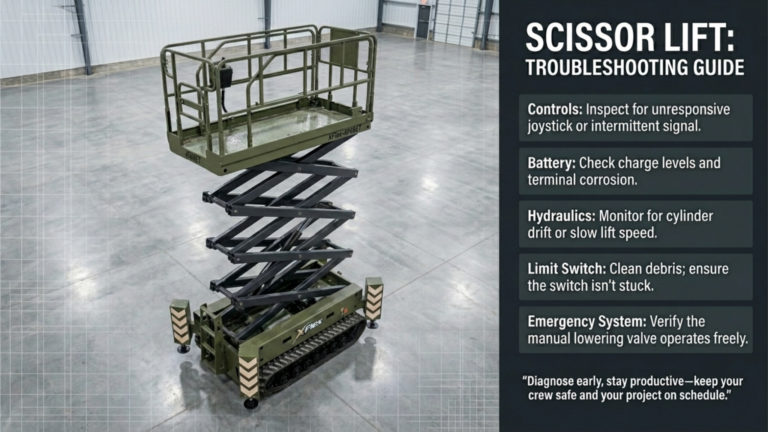
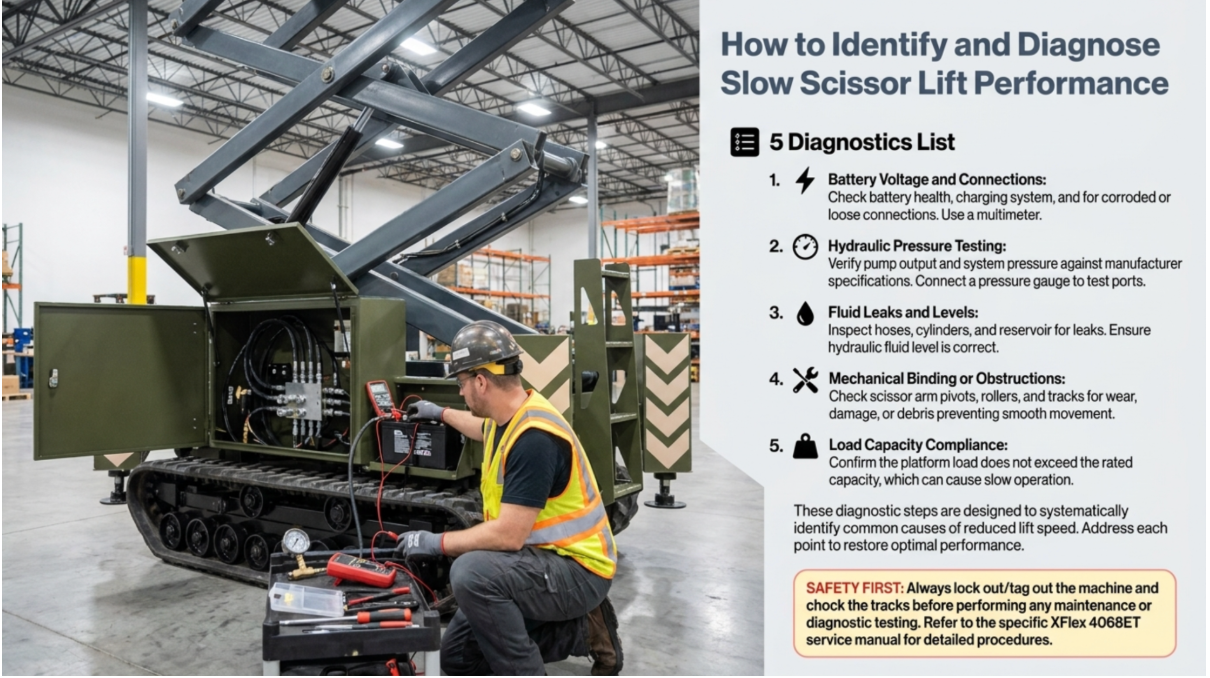
A scissor lift that crawls when it should climb costs you more than lost minutes. Slow lifting and driving speeds stall projects, frustrate operators, and often signal a problem that will worsen if you ignore it. The encouraging news is that most causes of sluggish performance trace back to a handful of systems you can inspect yourself with basic tools and a methodical approach. Catch the issue early, and you avoid the downtime, safety risks, and repair bills that come with letting it slide.
This guide walks you through the five most common sources of slow scissor lift performance and shows you how to diagnose each one. You will learn how to check hydraulic fluid, test battery voltage, measure pump pressure, spot mechanical binding, and evaluate control valves and solenoids so you can pinpoint the fault with confidence.
Inspecting Hydraulic Fluid Levels and Quality
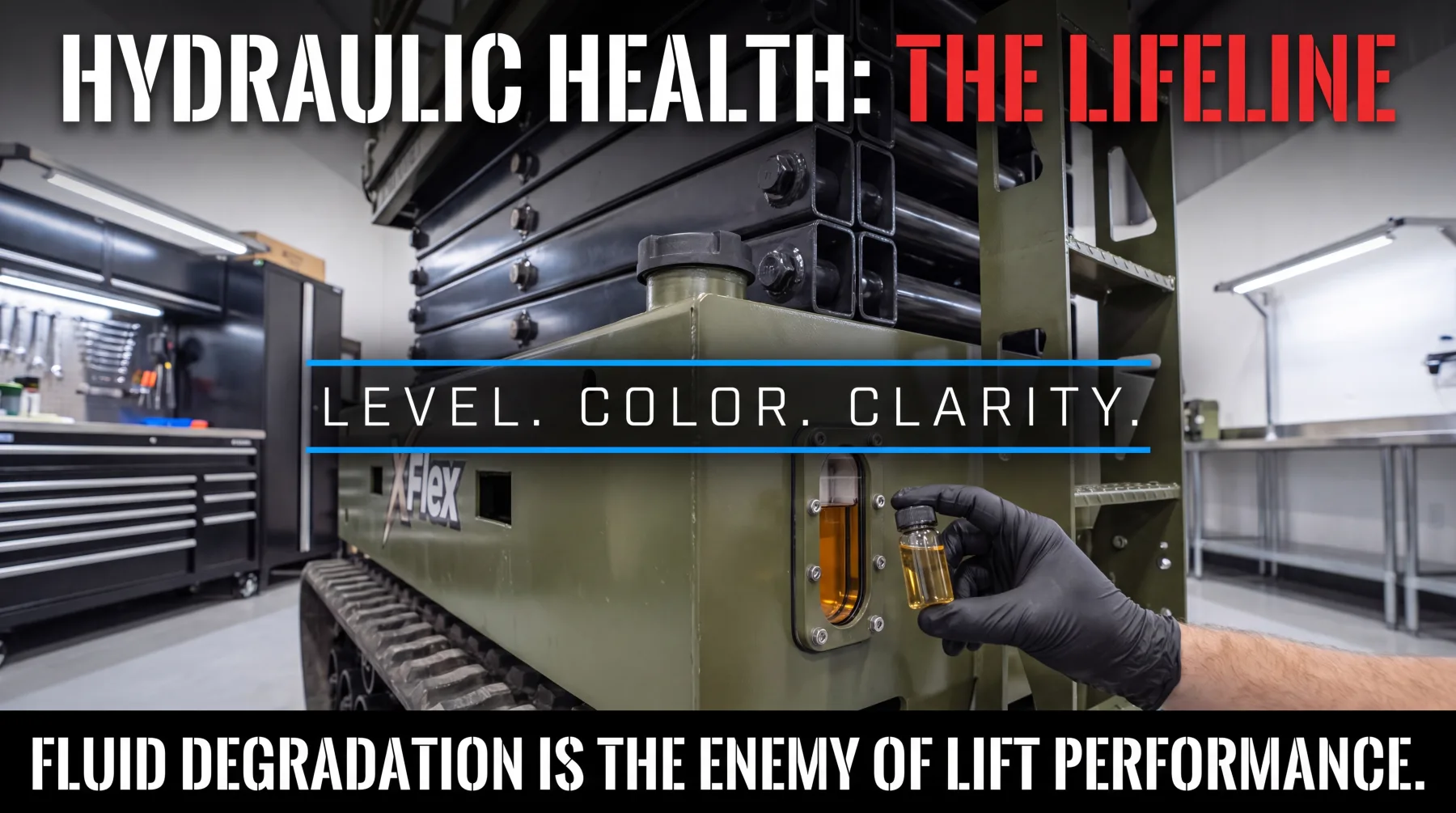
Hydraulic fluid is the lifeblood of any scissor lift, so it deserves your first look when the machine slows down. Low fluid levels or contaminated oil can significantly impede pump performance and cause sluggish system response. When the reservoir runs low, the pump draws in air along with the fluid, which reduces the pressure it can generate and leaves you with weak, inconsistent lifting. Before you chase more complicated faults, confirm the machine simply has enough clean fluid to work with.
Start by checking the reservoir for proper fluid volume against the manufacturer’s fill mark, ideally with the lift fully lowered so the reading is accurate. Then examine the fluid itself for signs of degradation. Fresh hydraulic oil is typically clear and clean, so watch for these warning signs:
- Discoloration such as a milky, dark, or burnt appearance that points to water contamination or overheating
- Debris or particles suspended in the fluid, which indicate internal wear or a failing component shedding material
- A burnt or sour smell that suggests the oil has broken down and lost its lubricating properties
Any of these conditions tells you the fluid can no longer do its job well. Contaminated oil clogs filters, scores pump surfaces, and restricts flow, all of which show up as slow performance at the platform. When you spot degradation, a filter change or full system flush is usually required to restore proper operation. Make fluid inspection a routine habit rather than a reaction to problems. A quick check of level and quality on a regular schedule protects the pump, extends the life of the entire hydraulic system, and keeps your lift responding the way operators expect every time they raise the platform.
Monitoring Battery Health and Voltage Output
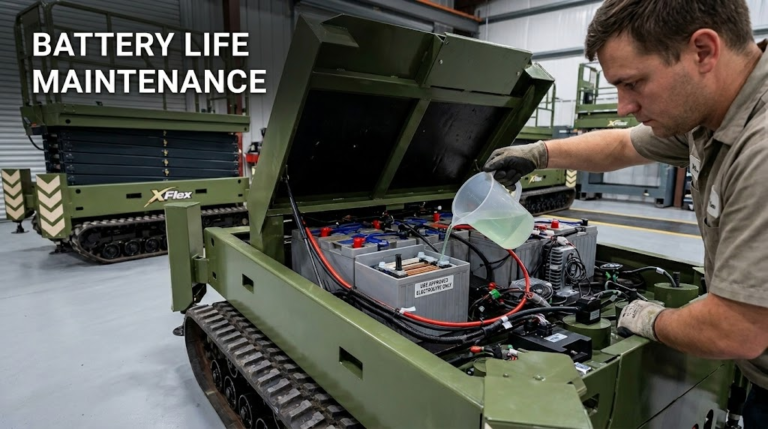
For electric scissor lifts, the battery pack is the most common culprit behind slow lifting and driving speeds. A weak or improperly charged battery simply cannot deliver the current the motor needs, so the machine responds sluggishly even when every hydraulic component is in good shape. Before you open up the hydraulic system, rule out the power supply, because a battery fault is often the fastest problem to find and the least expensive to fix.
Begin with the connections. Corroded, loose, or dirty terminals create resistance that starves the motor of power, and this is one of the easiest issues to overlook. Make sure all battery connections are clean and tight, remove any corrosion, and confirm the cables are secure at both ends. A solid connection alone can restore performance in many cases where operators assumed the battery itself was failing.
Next, verify that the batteries are actually holding voltage. A pack can read fine at rest yet collapse the moment the lift draws heavy current, which is exactly when you need it most. Use a multimeter to measure voltage, and pay attention to how it behaves under load:
- Check the resting voltage first to confirm each battery sits within its expected range
- Measure voltage under load while the lift is raising or driving, watching for a sharp drop that reveals a weak cell
- Compare readings across the pack to identify a single battery dragging down the whole system
If the voltage sags well below specification when the machine works, the batteries are no longer up to the task and likely need charging, servicing, or replacement. A disciplined charging routine and regular voltage checks keep your electric lift running at full speed and prevent the slow, frustrating decline that a neglected battery pack causes over time.
Testing Hydraulic Pump and Motor Efficiency
When the motor runs but the platform still rises slowly, the hydraulic pump becomes your prime suspect. The motor may sound healthy and spin normally, yet the pump behind it can be failing to generate the necessary pressure or flow rate. Internal wear allows fluid to slip past worn surfaces rather than driving the cylinders, so the machine loses lifting power even though everything appears to be working. Distinguishing a good motor from a failing pump is essential, because replacing the wrong part wastes both time and money.
The reliable way to settle the question is a direct pressure test. Guessing based on symptoms alone leads to misdiagnosis, so put a gauge on the system and let the numbers tell you what is happening. Perform a pressure test using a hydraulic gauge and compare the current system output against the manufacturer’s specifications. If the readings fall short of the rated pressure, the pump is no longer building the force the lift requires, which confirms the source of the slow performance.
Interpreting those results guides your next move. A pump that produces pressure well below specification typically needs repair or replacement, especially if you have already ruled out low fluid and a weak battery. Before condemning the pump, though, confirm the fluid level is correct and the relief valve is set properly, since both can mimic pump failure. Once you have eliminated those simpler explanations and the gauge still shows low output under load, you can act with confidence. A proper pressure test turns a vague complaint about a slow lift into a clear, measurable diagnosis, letting you order the right parts and return the machine to full capacity without a round of trial-and-error repairs.
Identifying Binding or Lack of Lubrication
Not every slow lift points to a hydraulic or electrical fault. Sometimes the mechanism itself is fighting the machine. Mechanical friction in the lift structure forces the hydraulic system to work harder than it should, which shows up as slower cycle times even when fluid, battery, and pump all check out. When metal grinds against metal at the joints, energy that should raise the platform is wasted overcoming resistance, so the lift feels sluggish and strained throughout its travel.
Track down this kind of problem by inspecting the moving parts of the scissor assembly closely. Look over the scissor arms, pins, and pivot points for telltale signs of trouble, and watch and listen as the lift operates:
- Binding or hesitation in the arms as the platform rises or lowers, rather than smooth, even motion
- Dry, rusty, or scored pivot points that reveal a lack of grease and growing wear
- Squealing, grinding, or creaking noises that signal friction where components should glide freely
Any of these indicators means the mechanism needs attention before the extra strain damages both the structure and the hydraulic components driving it.
The fix is usually straightforward once you locate the friction. Clean the affected pins and pivots, then apply the manufacturer’s recommended grease to restore smooth, efficient vertical movement. Proper lubrication lets the arms extend and retract freely, which lightens the load on the hydraulic system and brings cycle times back to normal. Build this into a regular maintenance schedule rather than waiting for symptoms, because consistent greasing prevents wear, protects your investment, and keeps the lift moving the way it was designed to. A well-lubricated mechanism is one of the simplest ways to preserve both speed and long-term reliability.
Evaluating Control Valve and Solenoid Function
The final system to examine is the one that directs hydraulic flow: the control valves and their solenoids. These components govern where and how quickly fluid moves through the machine, so a malfunctioning control valve or a sticking solenoid can restrict flow and produce inconsistent or slow lift performance. When a valve fails to open fully, the cylinders receive only a fraction of the fluid they need, and the platform responds slowly no matter how healthy the pump and battery are.
Because solenoids are electrically operated, begin your diagnosis with the wiring. A weak or interrupted signal can prevent a valve from shifting completely, which mimics a mechanical fault while the real problem is electrical. Check the electrical connections to the valves for corrosion, loose terminals, or damaged wires, and confirm the solenoid is receiving proper voltage when the operator activates the controls. Restoring a clean, reliable signal often resolves erratic performance on its own.
If the electrical side checks out, turn to the valve internals. Over time, debris and contamination can lodge inside a valve and keep it from opening fully to allow maximum fluid flow. Inspect the components for internal blockage or sticking that would choke the flow to the cylinders. A valve gummed up with contaminants or a solenoid spool that no longer moves freely will throttle the system and leave you with the same slow lift you set out to fix. Cleaning or replacing the affected valve typically restores full flow and crisp response. This step also underscores why clean hydraulic fluid matters so much, since the debris that fouls a valve usually comes from neglected oil. Keep the fluid clean, verify the electrical signals, and your valves will deliver the smooth, full-speed operation the machine was built to provide.
Conclusion
Slow scissor lift performance almost always traces back to one of five systems: the hydraulic fluid, the battery, the pump, the mechanical linkage, or the control valves and solenoids. Work through them in order, starting with the simple checks like fluid level and battery voltage before moving on to pressure testing, lubrication, and valve inspection. This methodical approach saves you from replacing parts you do not need and gets the machine back to full speed faster.
Put this into practice by running through each system the next time a lift slows down, and build fluid checks, battery testing, and lubrication into a regular maintenance schedule. Catching these issues early keeps your equipment safe, reliable, and productive for the long haul.