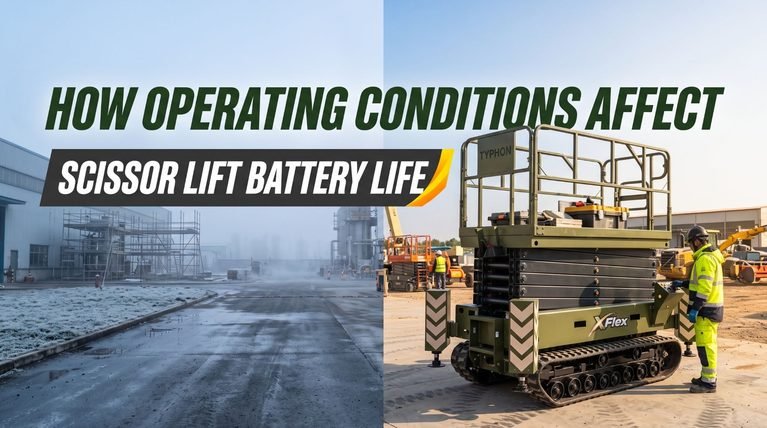
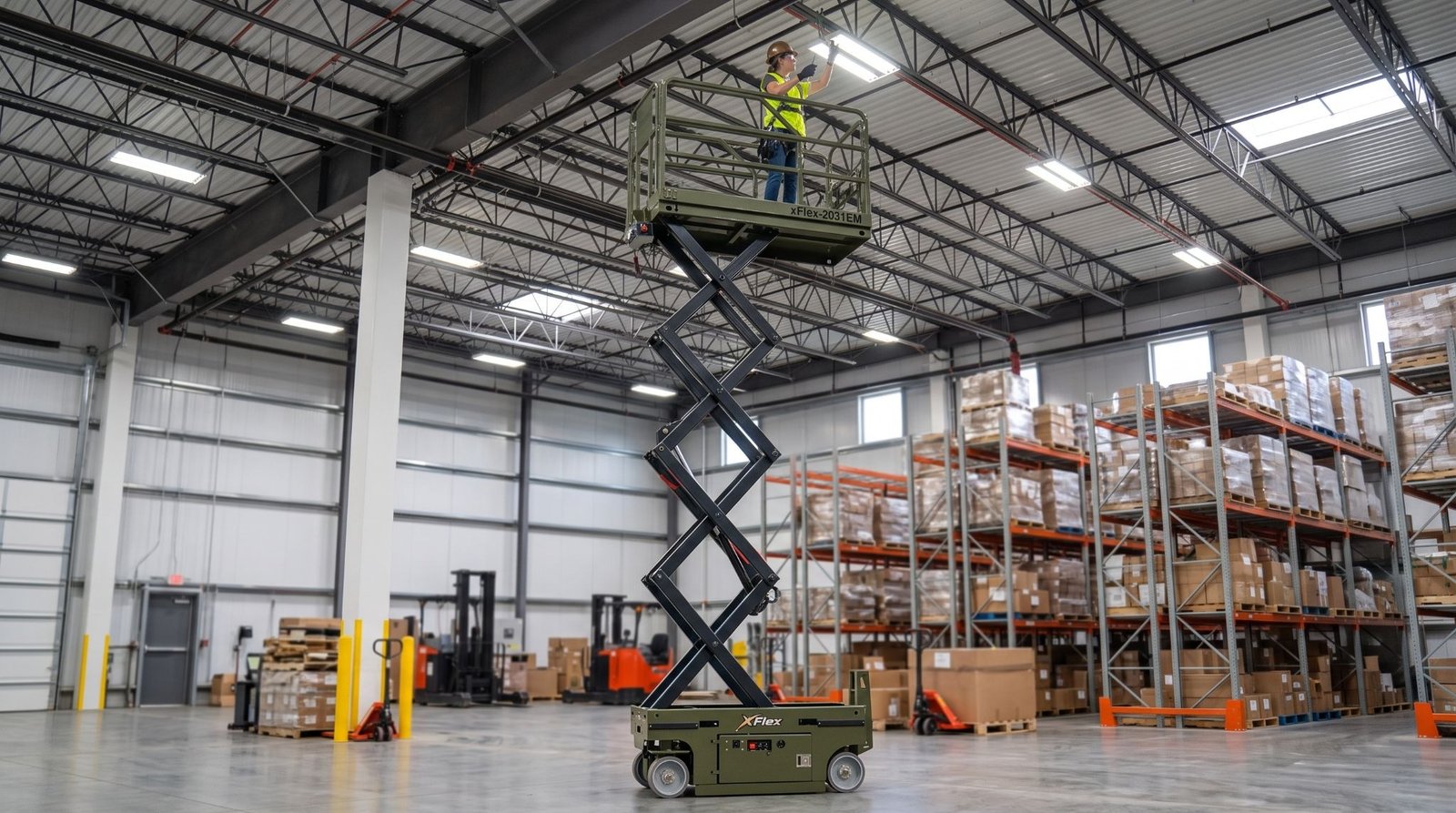
An electric scissor lift is only as reliable as the battery pack that powers it. When those batteries are healthy, your lift climbs to full height, moves at proper speed, and runs a full shift without complaint. When they’re neglected, everything slows down. Runtime drops, lift performance suffers, and eventually the machine quits mid-task. Consistent charging habits and proper maintenance are what keep performance stable day after day.
For contractors, fleet managers, and operators, that difference shows up on the bottom line. Poor battery care leads to premature replacements, unexpected downtime, and jobs that fall behind schedule. Proper maintenance does the opposite. It extends battery life, protects your investment, and keeps every lift ready to work. Over time, disciplined maintenance can significantly reduce total operating costs across the fleet.
Beyond cost and uptime, battery condition also affects safety and consistency on site. A weakening battery can cause uneven power delivery, slower response times, and reduced lifting performance under load, which increases operational risk when working at height. This makes routine inspection and monitoring essential, especially in demanding or multi-shift operations.
Why Battery Care Drives Lift Performance
The battery pack is the heart of an electric scissor lift. It powers the hydraulic system that raises the platform and the drive motors that move the machine. Every function depends on steady, reliable voltage from that pack.
When a battery holds a strong charge, it delivers consistent power on demand. The lift reaches full height, moves at rated speed, and completes a shift without interruption. When capacity fades from poor care, the machine has less energy to work with. That shortfall shows up as sluggish operation, reduced runtime, and shutdowns that stop work cold.
Most electric scissor lifts run on either flooded lead-acid or maintenance-free batteries. Flooded lead-acid packs are common because they’re affordable and durable, but they demand regular attention. Understanding how to care for them is the difference between years of reliable service and repeated early failures.
Charging Habits That Make or Break Battery Life
How you charge your batteries has more influence on their lifespan than almost anything else. Good charging routines keep the pack healthy for years. Bad ones wear it out fast. Charging at the right time, avoiding deep discharges, and allowing full charge cycles all help maintain stable performance and slow down internal wear. When charging is rushed, inconsistent, or interrupted too often, it increases heat buildup and puts extra stress on the battery cells, which shortens overall service life.
Over time, small charging mistakes add up and reduce both runtime and efficiency, even if the machine still appears to be working normally. What often starts as slightly shorter operating hours gradually turns into frequent recharging and reduced power under load. In demanding jobsite conditions, this slow decline can disrupt workflow, increase downtime, and force earlier battery replacement than expected.
Charge Fully, Charge Often
Lead-acid batteries prefer regular, complete charges. The best practice is to charge the lift after every shift, even if you only used part of the capacity. Topping off keeps the cells balanced and prevents the slow damage that comes from sitting in a partial state of charge.
Interrupting a charge cycle causes problems too. Once you start charging, let the cycle finish. Pulling the lift off the charger early leaves the battery undercharged, and repeated short cycles cause capacity to slip over time.
Avoid Overcharging and Fast Charging Abuse
Overcharging generates excess heat and burns off water in flooded batteries, which shortens their life. A quality automatic charger matched to your battery pack solves this by shutting off or tapering once the battery is full. Always use the charger designed for your machine.
Fast charging can be convenient, but leaning on it constantly stresses the cells and drives up heat. Use it when you truly need a quick turnaround, not as your everyday routine.
Watering Lead-Acid Batteries the Right Way
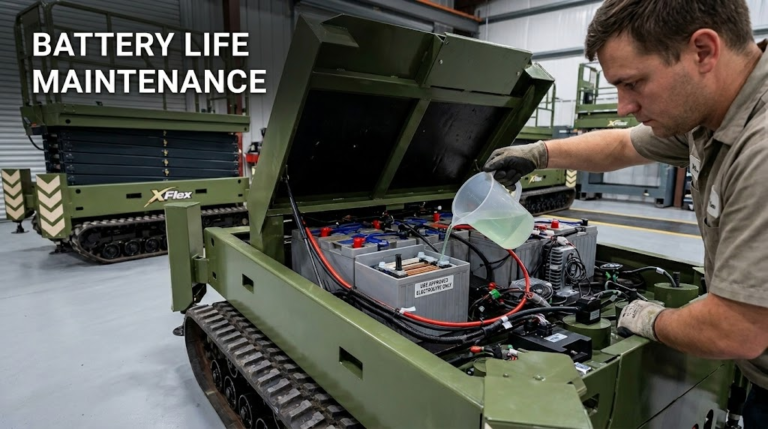
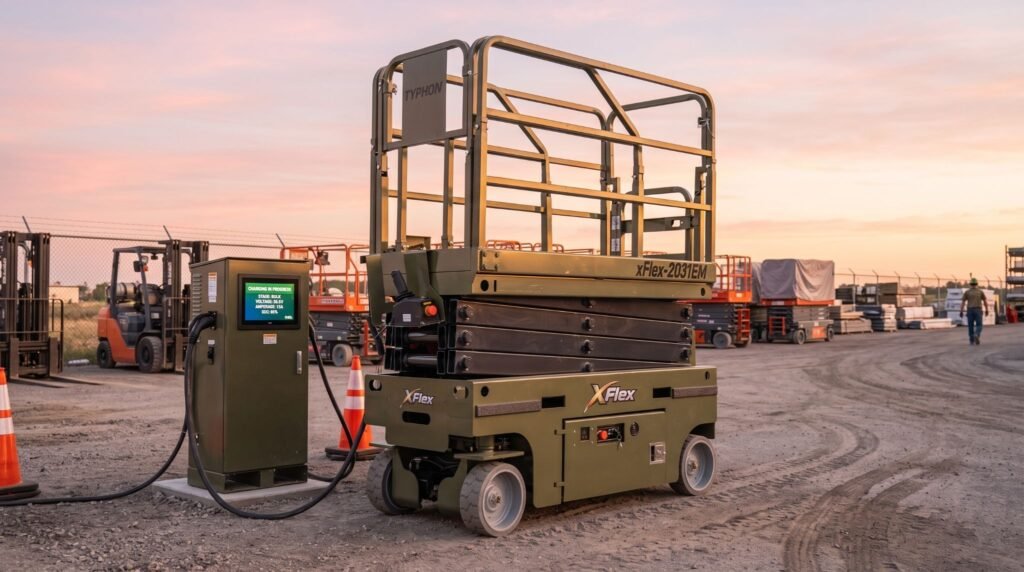
Flooded lead-acid batteries lose water during normal charging. If the fluid level drops too low, the lead plates get exposed to air and begin to sulfate and corrode. That permanently reduces capacity, so watering isn’t optional. It’s essential maintenance. Checking water levels regularly and refilling with distilled water keeps each cell properly covered and helps maintain stable chemical reactions inside the battery.
If watering is neglected, the damage builds up slowly but cannot be reversed. The battery may still charge, but it will deliver less runtime, heat up faster, and lose efficiency with every cycle. Over time, this leads to reduced productivity on site and a shorter overall service life for the battery.
When and How to Water
Check fluid levels regularly, and always add water after charging, not before. Charging raises the electrolyte level, so watering beforehand can cause overflow and acid spills. Once the battery is fully charged, top each cell to the level recommended by the manufacturer.
A few simple rules keep this task safe and effective:
- Use distilled water only. Tap water carries minerals that damage the cells.
- Don’t overfill. Fill to the indicated line, leaving room for expansion.
- Keep the plates covered. Never let the fluid drop below the top of the plates.
- Wear protection. Gloves and eye protection guard against acid contact.
What Happens When You Skip It
Neglected watering is one of the fastest ways to kill a battery pack. Exposed plates sulfate, capacity falls, and the lift’s runtime shrinks. Left long enough, the damage is irreversible, and you’re buying a new set of batteries far sooner than you should.
How Temperature Affects Battery Performance
Temperature has a powerful effect on how batteries perform and how long they last. Both extremes cause trouble, so where and how you store your lift matters. In high heat, batteries tend to lose water faster and experience faster internal wear, which shortens their overall lifespan. In cold conditions, chemical reactions slow down, reducing available power, runtime, and charging efficiency.
When batteries are repeatedly exposed to these conditions, the damage becomes cumulative. Heat accelerates corrosion inside the cells and increases self-discharge, while cold environments force the battery to work harder just to deliver basic output. Over time, this imbalance leads to reduced capacity, inconsistent performance, and a noticeably shorter service life, especially in machines that are used daily or stored outdoors.
Cold Weather Slows Everything Down
Cold temperatures slow the chemical reactions inside a battery, which reduces available capacity. On a freezing morning, a healthy pack may deliver noticeably less runtime and weaker performance until it warms up. A discharged battery is also at risk of freezing, which can permanently damage the cells.
In cold climates, store lifts in a heated or insulated space when possible, and keep batteries fully charged. A full charge resists freezing far better than a depleted one.
Heat Speeds Up Wear
Heat works the other way. It accelerates the chemical activity inside the battery, which increases water loss in flooded cells and speeds up internal wear. Batteries that run hot age faster and need more frequent watering.
Keep lifts out of direct sun during long idle periods, provide ventilation in charging areas, and check fluid levels more often during hot stretches. According to the U.S. Department of Energy, high temperatures are a leading cause of shortened battery life, so managing heat directly protects your investment.
Common Battery Problems and Their Warning Signs
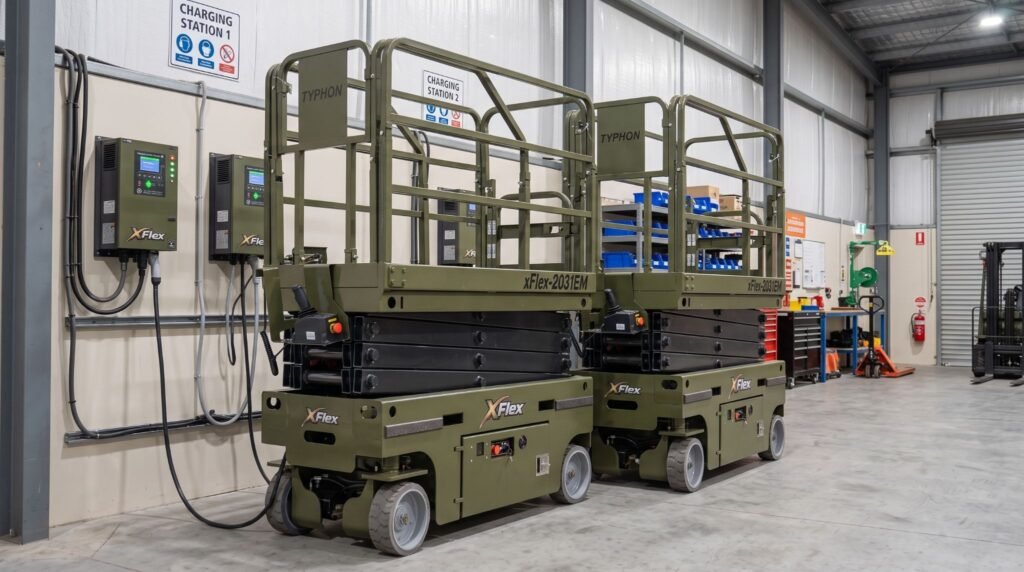
Batteries rarely fail without warning. Learning to spot the early signs lets you fix small issues before they become expensive failures. Small changes in performance are often the first clue, such as reduced runtime, slower lifting speed, or longer charging times than usual. These symptoms usually point to declining cell health or poor maintenance practices that are starting to take effect.
In more advanced stages, you may notice uneven charging between batteries, excessive heat during use, or visible swelling and corrosion around terminals. These issues indicate deeper internal damage that can no longer be corrected with basic maintenance and often require repair or replacement.
Reduced Lift Height and Slower Speeds
When a battery can’t deliver full voltage, the hydraulic system loses power. You’ll notice the platform rising more slowly or struggling to reach full height. Drive and steering functions may also feel sluggish. These are classic signs of a weakening pack.
Shorter Runtime Between Charges
A healthy battery should power a full shift. If your lift needs a midday charge when it used to run all day, capacity is fading. Shrinking runtime is one of the earliest and clearest signals that your batteries need attention.
Unexpected Shutdowns
A pack that drops voltage under load can shut the lift down without warning, sometimes with the platform still raised. Beyond the lost productivity, that’s a safety concern. Sudden shutdowns mean the battery can no longer hold up under demand.
Corrosion, Swelling, and Slow Charging
Physical warning signs matter too. Corroded terminals interrupt the flow of power, swollen cases point to overcharging or heat damage, and batteries that take unusually long to charge are often near the end of their service life. A quick visual inspection catches many of these problems early.
Frequently Asked Questions
How do I know if my scissor lift battery is going bad?
Watch for shorter runtime, slower lift and drive speeds, trouble reaching full height, and unexpected shutdowns. Physical signs like terminal corrosion, swollen cases, and slow charging also point to a battery nearing the end of its life.
Is it bad to run the battery all the way down?
Yes. Deep discharge strains the cells and shortens lifespan. Lead-acid batteries have a limited number of deep cycles, so recharge before the pack drops too low, ideally at around 20 to 30 percent remaining.
Conclusion
Battery care isn’t a minor maintenance task. It’s the foundation of reliable scissor lift performance. Smart charging habits, proper watering, temperature control, and avoiding deep discharge all work together to protect capacity, so your lifts reach full height, move at full speed, and run full shifts without interruption.
Neglect that care and the costs add up fast: reduced performance, shrinking runtime, unexpected shutdowns, and batteries that fail long before they should. Consistent maintenance is far cheaper than premature replacement, and it keeps your crews productive and safe.
Take a close look at how your team charges, waters, and stores your equipment. Build a simple maintenance routine, train your operators to follow it, and keep records so nothing slips through the cracks. If you need help selecting the right batteries or setting up a maintenance plan for your fleet, reach out to a trusted equipment specialist who can help you keep every lift running at its best. Protect your batteries, and they’ll keep your lifts working hard for years to come.